



Middle Ages Re-enactment and Linen
Whether you are just starting out in the world of Middle Ages era re-enactment or you have been doing re-enactments for years, the one thing that should stick out in your mind is authenticity. There is nothing worse than showing up at a re-enactment in inappropriate clothes. It can ruin the entire mood of the situation.
During the Middle Ages, linen was a major component in clothing. For instance, leg hose, or stockings, both worn by men and women. In the early Middle Ages they were often made of linen.
Another important element of clothing in the Middle Ages was the chemise, or undershirt. Such undershirts were made of linen and worn by both men and women.
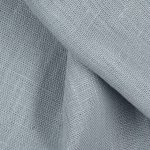
There are two 100% linen fabrics that are perfect to use for making an undershirt. Depending on whether it is a man’s or woman’s shirt, and if it will be worn alone or with a vest or dress over it, you should use either the light weight IL020 or the medium weight IL019. Since the top edge of the linen chemise was often visible, many times it was decorated.
Meanwhile, in earlier times men typically wore just a loincloth. The loincloth was a soft, rectangular piece of linen that was wrapped around them and tucked into itself. Some men wore breeches instead. Breeches looked a bit like today’s boxer shorts, but they were made of linen and very loose-fitting. For both of these items, a fine fabric such as the IL020 is a good choice.
Later, men began to wear an under-tunic (chemise) made out of the medium weight un-bleached linen. Gradually, over time, the shape of the garment changed and it became a long-sleeved shirt.
So, the length of the linen chemise varied based on which sex was wearing it and exactly what time period it was. A chemise from the early Middle Ages looked much different from one later on.
If you’re planning to re-enact the part of a Middle Ages era monk, on the other hand, the importance of linen to you lies in the coif. Monks of the time wore mostly woolen habits. However, they wore linen coifs, for warmth. A coif is a white cap made out of medium weight linen that covered their ears. It was tied under their chin, similarly to a baby’s bonnet.
So, when you are looking for Middle Ages re-enactment garb, be sure to do your research thoroughly. It can be hard to make a modern day equivalent of the middle ages re-enactment garment, but, luckily you can find the exact linen match for your re-enactment project at www.fabrics-store.com.

Leave a comment
Related posts

Colors Fit For A King
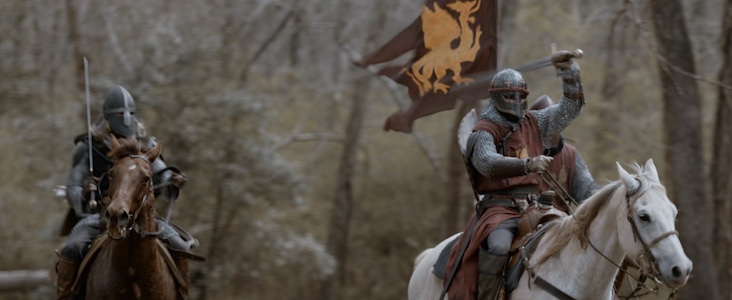
Let’s be honest, arming and equipping a small medieval army is not easy. They don’t sell broadswords at Walmart and searching “fully trained warhorse” yields no results on Amazon. Luckily, I had at least one place to start, BIKING RED. When you set out to make a short film about the rise of perhaps the…
Natalia Goncharova: The Spirit of Russia
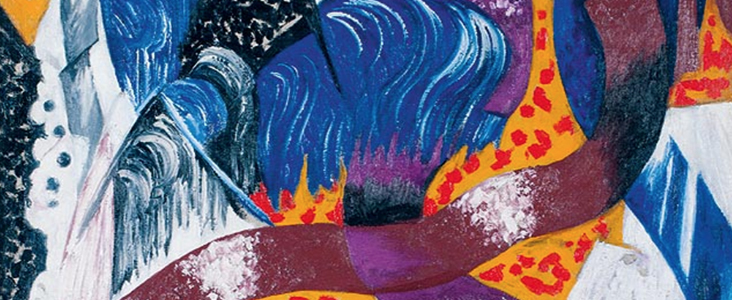
“A spark of the spirit lives in us, it is connected with all spirit. It is divine. It is drawn to other, similar sparks. This is the urge to creation.” Natalia Goncharova was an explosive force of creativity, encapsulating the wild spirit of avant-garde Russia with painting, printmaking, performance and design. Throughout her long, prolific…
The Name of My Shop is “The Odom Reunion”
Is there anything more amazing than seeing a piece of plain cloth transformed into something spectacular? Seeing that “flat” piece of fabric, once it gets into the creators hands, go from material to a creation is nothing short of miraculous. I will never get enough of seeing what you guys will come up with next….

The Justice League Goes Medieval
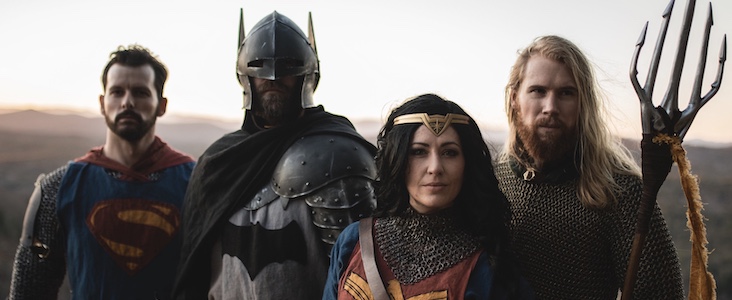
Every age has its legends. Stories of people who go above and beyond in the cause of justice and hope. People who sacrifice their lives for what they deem to be right. A thousand years ago it was Lancelot and Robin Hood, today it is Batman and Wonder Woman… and Robin Hood – let’s be…
Fashion Choices For The Bad Guys.
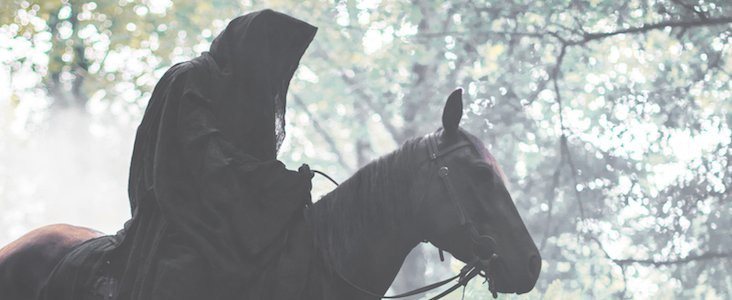
Well, usually we do good guys, but every once in a while you have to let the bad guys out to play (for artistic purposes of course!). With Halloween coming up, we decided to let our creative juices flow to the spooky side! The most iconic bad guys in film and literary history always have…



SEW THIS LOOK

Latest Posts


3 Comments
Wendy Marques
I use both medium and heavy weight linen to create medieval clothing that is used for rapier duels. The price and quality is fantastic.
Oksana
Hello Raina,
Do you have any pictures of your work that you can share with us? I would love to add them to the website as an example of embellishments for Viking-era dresses.
Thank you,
Oksana
Raina Stoutenburg
I’ve been using medium weight linen for making Viking-era dresses. The price and the quality are both great! I recently started embroidering on them and it works well for that as well.