

October 20, 2009

You Are What You Wear

A truism often overlooked, Raghavendra Rathore knows it, protects it, loves it.

Through the ages, many wise men and women have decided a person’s fate with a quick turn of the phrase: “You are what you eat,” “All work and no play make Jack a dull boy,” “God helps those who help themselves.” But none seem to have the most immediate impact as the one involving clothes: “You are what you wear.”

On the exterior, the phrase seems to have little or no merit. It is senseless, irrational, humorous. Classifying a person by what he or she is wearing seems trite and superficial. Yet there are countless things that can be learned by an individual’s dress. Raghavendra RathoreFor instance, it is clear by looking at someone’s outfit whether he or she cares about cleanliness, fashion, or comfort. It can even give clues about an individual’s social status, worldview, sense of place in the world, and occupation. With this knowledge, renowned fashion designer Raghavendra Rathore’s statements about the importance of clothing should come with no surprise. But they are surprising nonetheless, likely because of the boldness with which he declares them.

“The clothes that we wear disseminate an impression so strong that it becomes one with the character that we are,” Rathore states on his website. “[A]ll through our life we are branded by our look and when we are gone, people still remember us by the look.” Is life so simple as to be boiled down to a garment, an article of clothing put on in haste or damaged by a careless spill? Possibly. And if so, what better way to be memorialized than with light-as-air linen?

It’s not as if linen were some otherworldly fabric, fit only for the gods. Rather, linen is a fabric that belongs most to this world, being rooted in the Earth, consisting of earthy fabrics and earthy colors. As such, it only makes sense to be enjoyed by the mortals that inhabit this world. And Rathore works to bring linen to as many people who desire a unique and relaxed fit that makes a fashion statement simply by being what it is.

In his designs, it becomes evident that Rathore has a very strong background in India’s culture. In his execution, he holds both hands out to every culture in every land, a set of most friendly and open hands that tenderly offer linen. Yet Rathore, like the majority of fashion designers, does not create every article of clothing with linen. He creates the best pieces with linen, using the fabric on special pieces that require a special touch.

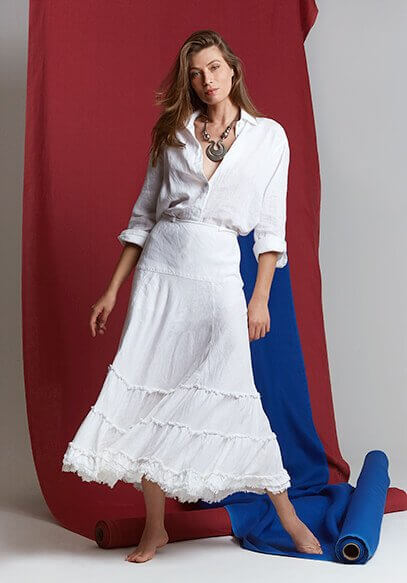
In doing this, Rathore makes it clear that linen will not be used in every article of clothing in every person’s closet. It may not even be worn on a daily basis. But when it is worn, when it is used to build a masterful blouse, skirt, or suit, it is something very unique and worthy of praise. When linen is used in clothing, it is not handled carelessly like cotton, but delicately, like the special and wonderful fabric that it is.

Permalink • Print • Comment

August 25, 2009

The Tacuinum of Vienna

It is possible to glimpse life in a medieval linen drapers shop thanks to an illuminated manuscript the Tacuinum of Vienna. Tacuinum Sanitatis were medieval medical books devoted to health and sanitation. Five unique copies of these manuscripts survive in different cities from which they take their names.. They were written in Latin which had been translated from the original Arabic. The term Tacuinum comes from Taqwin al-Siha meaning Tables of Health, a work originally by Ibn Butlan of Baghdad. The tables concerned themselves with six main subjects – air, food and drink, movement and rest, sleep, the evacuation of waste and balancing the emotions or humors. The combination of these was said to provide a healthy life. Linen Clothing (Vestis Linea)

The Tacuinum of Vienna was created in the late 14th or early 15th century in the Po Valley of Italy. The illuminated manuscript is illustrated with dozens of fine original drawings and watercolors. Much of the volume is devoted to the properties of foodstuffs from rye and spelt to watermelons and pasta. However there are also illustrations of flowers, the seasons and woolen and linen clothing. The depiction of linen clothing (vestis linea) is accompanied by a description of its medical properties, as understood by the medieval author.

According to the text the nature of linen is cold and dry in the second degree. Optimum is the light, splendid beautiful kind. Its usefulness is that it moderates the heat of the body. Its danger is that it presses down on the skin and blocks transpiration. However according to the writer the danger can be neutralized by mixing the linen with silk. Effects of linen clothing are to dry up ulcerations. The Tacuinum considered people to have different temperaments or humors. According to this linen was best for those with hot temperaments as well as for the young. It is best used in summer and in southern regions.

The fine illuminated drawing which accompanies the description appears to show a medieval linen drapers or a tailors shop. The view is front on and shows a typical, everyday scene which interestingly features four women. Two women are seated in the foreground with linen draped over their knees. Perhaps they are making up linen garments. In the background a women purchases linen at a table from another woman who appears to measure the material out. A fine roll of linen also sits in the table. The purchaser wears a creamy white dress or kirtle which appears to be of linen with a linen cap while the seller has a dress of deep blue. The women in the foreground wear tunics of deep blue and pale red or pink, with one being in a fitted style while the other is looser.

The picture gives a fascinating vignette of what a late medieval Italian linen shop looked like as well as the style of clothing that the women wore and typical colors of clothes at this time. The linen is a natural grayish-white rather than the brilliant white which may often be found in modern linen. Many of the other illustrations in the Tacuinum depict men and women in the attire of their period including linen shirts and aprons as well as linen dresses and caps. Clothes are depicted in white, saffron, azure blue and pale and deep reds.

Permalink • Print • 1 Comment

August 17, 2009

How Valentin Yudashkin uses linen to remember his roots

It all started with an announcement: Russian fashion designer Valentin Yudashkin was bringing linen to the catwalk. Even bigger news was that he was considering building a new textile industry and fashion center, with linen as its centerpiece.

For a designer known for flamboyant dresses and suits capped off with odd hairpieces, gaudy jewelry, accessories, and even porcelain tea sets, this would seem quite a turn. But according to the designer himself, linen is a precious thing that ought not be ignored. With that, he is launching himself headfirst into a linen dream. One that will surely result in a powerful, elegant, vibrant line of linen wear.
Valentin Yudashkin
Gorgeous, gentle pieces that fall from the shoulders, fitting the body with perfection without clinging or limiting movement. Classy, timeless, intricate yet somehow simple clothing that is as comfortable as it is pleasing to the eye.
How memorable will the linen clothing be? Will they, too, find their way into museums, alongside Yudashkin’s other artistically impressive pieces?

Or will they be so simple as to be made into the newest trend in fashion, both for those with and without the means to purchase museum-worthy clothing? Either way is fine for lovers of linen. Because while Yudashkin works with silk, satin, cashmere, georgette, lace, and leather, it is his work with linen that leaves the most lasting impression. Not so much for how it stands out among the crowd, but how it blends alongside other pieces of marvelous fashion.

In fact, for many of Yudashkin’s pieces, the only difference between a linen article of clothing and one made of leather or satin is the comfort and breathability of the cloth. In Yudashkin’s hands, all kinds of fabric are turned into intricate, involved clothing that is tailored to the finest tastes. But only linen provides a classic look that is sheik and sophisticated, while not sacrificing comfort or wearability.

How does this translate to fashion designers who aren’t known around the globe for inventive, smart clothing? What should seamstresses toiling at home to make period costumes, outer beach wear, and everyday clothes for work and play learn from Yudashkin? What connection can the self-made seamstress learn from a master of his craft who has taken Russian fashion from an isolated, unimportant state to one that may be setting the future of fashion? Patience—and sticking with what you know.

For Yudashkin, linen is what he knows. Russia has been enjoying the magnificent fabric for centuries, and Yudashkin has personally stated his interest in maintaining his homeland’s hold on the title of the linen capital of the world. What better way to help linen along the way than to produce quality clothing using the fabric and openly brag on its durability, while allowing the world to gape and gasp at its beauty—a beauty that depends on nothing but its natural fabric?

So pick up those talents and imagination, grab a stack of linen, and put together a piece of clothing fit for a museum. One that showcases the linen and would make Yudashkin proud.

Permalink • Print • 2 Comments

August 12, 2009

A Day in the Bonnie Braes of the Colorado Highlands

I hear the bagpipes long before the town comes into view. A short drive from Denver into the Colorado Rockies, the small town of Estes Park has been playing host to the Longs Peak Highland Festival for 32 years. Now over 75,000 visitors descend upon this town of 6,000 for four days every September. Started by four families in 1976, and inspired by the majestic mountain views and a reminder of the highlands of Scotland, the festival continues to grow in size and popularity every year.

Scottish Highlands Festival

As I come into Estes Park, I cross a small bridge. The Loch Ness monster bobs in the water to my left, behind which the main festival grounds can be seen. Parking is rather painless for an event of this size, well organized and plentiful. The first thing that strikes me as I walk toward the entrance is the music. I can feel the low throb of the drums makes me want to dance. The wail of the bagpipes nearly brings tears to my eyes, of joy or sadness depending on the tune.

I show my ticket and enter the festival grounds proper. I make my over to Clan Row. Here one can find out more about their family history from booths run by the respective clans. This is nearly always my first stop, as the volunteers at my surnames booth have become close friends over the years- we are family after all. People stop by, looking at the crest and reading the information sheets. Saying goodbye, I make my way to the games.

When most people think of highland sports they think of throwing telephone poles. This is known amongst Scottish sports enthusiasts as the caber toss. The caber, which does resemble a telephone pole, is nearly as iconic an image as the kilt. Lesser known sports, such as the hammer throw and stone putting, also get their time in the spotlight here. Nearby, an area has been set up for the children to try out their athletic prowess with miniature versions of the caber. I watch until the athletes take a break, then it is time for lunch.

As I make my way to the food court, I am surrounded by people in traditional Scottish dress. Most of the men are kilted and wearing simple linen shirts laced up the front with leather. The women wear dresses similar to those seen in renaissance period clothing- ankle length dresses made of linen or other natural fabric. They finish the look with a tartan sash draped over the shoulder and pinned in place. Many of the women are also wearing ankle length tartan skirts and linen shirts similar to those of the men. The reds and greens of the plaids with the bright white of the linen gives everyone a bright cohesive feel even in the midst of the chaos of such a large crowd of people.

I sit down and enjoy some haggis and a pint of Guinness while watching some young girls in traditional Irish dancing dresses tap and kick their feet in intricate steps. After enjoying the music and the food for a bit, I go and do a bit of shopping. This highland festival differs from many of its brethren in that they are strict with their vendors. All vendors must carry Celtic themed items. This makes shopping here a quality experience, as one does not need to look long to find wonderful themed souvenirs.

That evening I go to the Ceildh (pronounced kay-lee), the Celtic New Years party. This is a cozy gathering that goes on into the wee hours. Live music, drinks, and good people make this one of the high points of the festival. Tickets for the Ceildh cost extra, and it isn’t as crowded as the festival fields. I talk to a couple from Newfoundland who have made the trip to Estes Park and the festival every year for the last decade. I can understand why, as I adjust my kilt. The Longs Peak Festival is not just a reenactment of Scotland's Glory days. In an age where we are traveling further from our roots more than ever, the festival gives us a chance to remember where we came from. The call of the bagpipes, the highland jigs, all of this soothes the romantic part of our soul that wonders what life would be like if our ancestors had stayed in the old country. For four days, we can pretend the past is still alive.

As I drive out of Estes Park and back to Denver and my life of as a modern American woman, I roll down the windows to hear the pipes one last time. The melody follows me for several miles, and will continue to haunt my dreams for days to come.

Permalink • Print • Comment

July 29, 2009

A Scottish Wedding Trousseau of 1693

Margaret Scott was the daughter of Scottish gentleman and Lord of Session (law lord), Sir Alexander Hope of Rankeillor .She married Patrick Scott in 1693 and went to live with him at his family seat of Rossie and Craig near Montrose, Angus. Some years later, in 1739, Margaret, by then a widow, undertook an inventory of the furnishings, linens and properties of the house. This provides a fascinating record and includes details of her wedding trousseau and the colourful gowns in rich materials which she had made for her marriage.
striped mantua
The reason for the inventory appears to have been the marriage of her son; she may have been preparing to leave the house to make way for him and his new bride. The list appears to relate items of her personal ownership. Margaret’s inventory stretches to over thirty pages. It lists in particular detail ‘linen from the Craig’ and details of the beds and bedding as well details of ‘the Tea equipage’ - cups, saucers, teapots, and a tea press in which all of the attendant crockery was kept including glasses, plates and coffee pots and mills.

There was a great abundance of table and bed linen. Each piece of table linen was individually identified with initials and a date as well as being described by its “knott” or pattern. These included “the heart knott” and “the star knott” as well as more local designs “the Rossie knott” and “an old-fashioned knott that came from the Craig.” Other items on the inventory include family portraits, items of furniture and linen presses in the “big hall” where the linen lay in sweet-scented lavender. Margaret recounts that some of the linen and one of the linen presses had been received from her “worthy mother, Lady Rankeillor”.

As well as listing her marriage clothes Margaret also lists her wedding gifts. These included much silver plate as well as fine jewellery including diamonds, emeralds and rubies as well as linen, pictures and other gifts such as wool and livestock. Her husband gave her several fine gifts on the occasion of their wedding including a gold watch, jewellery, a sable tippet and a dressing glass. She mentions that many of these gifts she has now passed on to her children and friends, suggesting that Margaret had a generous nature.

The trousseau that Margaret brought with her on her marriage to Patrick included “a green and striped flowered with cherry and silver mantua” (the loose form of undress) and a petticoat with a silver fringe and edgings of silk ribbons that was lined with cherry tissue with silver. The use of gold and silver in clothing was a popular extravagance amongst the better off.

Margaret brought a lemon mantua and petticoat striped and flowered with silver and lemon, lined with lemon silk and with fashionable silver fringes. She also brought a cherry and green broad striped dress lined with a black and white damask with a petticoat trimmed with silver fringes. In addition she had “other gowns in abundance conform to my age” as well riding clothes mounted with six dozen beaten silver buttons.

She also had plentiful stays, linens and petticoats. The items of silk and expensive materials were only worn for formal and special occasions. Her normal daywear would have been of local materials such as linen which may have been woven on her father’s estate or locally. Margaret Scott’s inventory offers a tantalising glimpse of her fashions and lifestyle as she began her life on the Rossie estate in 1693.

Permalink • Print • Comment

July 22, 2009

Live the Renaissance by Becoming a Volunteer

Sarah’s eyes twinkle as she twirls around, showing off her outfit. She is quite fetching in her full blue skirt and black bodice. “I’m an Irish wench,” she says with a wink. She places a garland made of flowers on her head. “Maybe someday I’ll become a lady-in-waiting, but for now being a wench is a lot of fun.”

Sarah has been going to the NorCal Renaissance Faire since she was a child. It runs in the family. Her uncle is a musician and also a maker of period instruments. His psalteries, lutes, bodhrans, and dulcimers were always a big hit at the fairs. Her favorite part of the festival as a child was the pirates and belly dancers. “Part of me was also fascinated by the black clad performers in the Danse Macabre,” Sarah says with a laugh, “I guess I was a little odd for a kid.” Now days, her favorite part of the faire is taking her kids and experiencing the magic of the period fresh through their eyes.
NorCal Renaissance Faire

The NorCal Faire is located near Gilroy, CA. It is open weekends in September and October. Willingtown, the fictional village the faire recreates, is a bustle of activity. Performers roam the streets and take the stage to the delight of the crowds. For those who don’t have a costume the faire has costumes to rent, or you can purchase one from the many vendors. In the afternoon, visitors can bask in the glory of Her Royal Majesty, Queen Elizabeth. Afterwards good food and drink await you as musicians playing everything from English country tunes to Gypsy tribal melodies line the streets and stages. Aerial acrobats, fire eaters, and the jousting knights are just a few of many of the things to see.

Getting involved in the faire is easy. You can just purchase a ticket and join in the fun. If you wish to truly immerse yourself in the faire experience you can volunteer with the faire as well. Volunteers are expected to complete the same training as employees of the faire, which usually consists of a few informal workshops. Guilds people the township with everything from the poor washer woman to the town guards. Guilds actively recruit new members, and are a wonderful way to begin faire participation. Some guilds require a short audition. It can be worthwhile to visit the faire as a guest one year to meet and talk to the different guilds to find one that piques your interest. They will be more than happy to fill you in on the requirements of joining a specific guild.

By getting your costume ready now you will be prepared for any auditions a faire may require. If you want to immerse yourself in a faire, volunteering is wonderful way to get started. You don't have to wait for the NorCal Faire to begin this adventure. In April and May, the North Carolina Renaissance Faire is looking for volunteers. They also have events throughout the year, such as their Celtic Halloween, in which volunteers are needed. The Greater St. Louis Renaissance Faire takes place in May and June every year and depends on volunteers for much of the event.

The span of many of these faires is liberal in scope, ranging from the year 1500 to 1620. While visitors can dress how they wish in an era of their choice, volunteers must stay within the guidelines set by the specific faire. Volunteers aren’t limited to renaissance England by any means, as many faires have an international market that boasts many ethnicities and cultural costumes from around the globe dressed in the prescribed time period. Sarah also shares this when it comes to choosing a costume, “Pay attention to weather reports. If it’s 100 degrees out, the all wool ensemble may not be the best costume to pick.” She advises sticking to natural fibers when possible. Linen is a good choice. Not only does it lend authenticity to a garment, linen is easy to work with and breathable. Linen also comes in many colors and has a wonderful texture.

Now is the time to start preparing if you plan on volunteering. First, contact the faire you wish to participate in to find out their volunteer and costume requirements. Then, order your linen and any patterns you need to complete your outfit. Finally, attend the required audition or interview. Before you know it, you can become an integral part of the renaissance experience!

Permalink • Print • Comment

July 8, 2009

Duchesse de Fontanges headdress 1680-1710

In the late 1600s a fontange was high fashion for ladies hair. This was a tall head-dress consisting of a wire frame (or 'commode') adorned with lace or linen frills. It was worn at a slight forwards angle and attached to a linen cap. In appearance it resembled a half-opened fan and it could reach a considerable height. The term fontange can be variously used to describe the hairstyle, the wire frame which eventually underpinned it or the linen cap worn with it.

Women are wearing fontange headdresses

The fashion was imported to England from France and was named after Marie Angelique, Duchesse de Fontanges. Marie was a lady-in waiting at the French court. Her prettiness caught the attention of the Sun King, Louis XIVth who made her one of his many mistresses and a favourite for a time. The Duchesse de Fontanges bore the King a stillborn child in 1679 and then retired to spend the remainder of her short life in a convent, where she died in 1681.

During her period of royal favour it is said that she tied her hair up with a ribbon when her cap fell off as she was riding one day. The results met with royal approval and led to the style being adopted at court. Initially the style was simply for a ribbon looped in the hair or in the linen cap with the hair curled up from the forehead but as time went on the fashion developed into an ever taller wired head-piece ('commode') with furbelows of lace or linen and with the hair piled into layers of elaborate curls and locks.

“For Tour on Tour, and Tire on Tire,

Like Steeple Bow or Grantham Spire” Maria Evelyn (1690)

These lines relate to the piling up of layers and the height of the fontange with Bow and Grantham both being churches whose steeple and spire Evelyn is comparing the heights of the hairstyle to. This upwards trend was part of a general fashion emphasising the vertical line in style at this time.

Usually two long linen streamers hung behind the fontange which could be turned and pinned up or which could fall down as cornets along either shoulder of the wearer’s dress. The linen cap worn underneath was starched to stiffen it. At the front hair was pinned onto the wire frame, known as a ‘commode’ or ‘palisade’. This French fashion gave rise to a host of terms for variations on curls and ringlets and ways of dressing hair. This included ‘confidants’ (small curls near the ears), ‘favorites’ (curls hanging from the temples) and ‘cruches’ (small curls on the forehead.)

For the fontage style the hair at the front was curled and raised high above the forehead and wired to the palisade or commode. The Tower or Tour was the name given to false curls which were added to the fontange to increase the effect or supplement the coiffure. In addition to the lace or linen adornments ribbons known as ‘knots’ were often furled around the Palisade. An example of this can be seen in the portrait of Queen Mary II of England by court painter Godfrey Kneller in which she wears an elaborate lace fontange with ribbon knots and cornets and a tour of curls.

To amplify the effect of the fontage a ‘firmament’ could be worn, which was a dazzling array of diamond-headed pins.

“Tis all compris'd in the commode;

Pins tipt with Diamond Point, and head

By which the curls are fastened.” Maria Evelyn (1690)

The fontange reached the peak of its popularity around 1690-1700 but continued to be worn for another ten years or so, gradually reducing in height over that time as women struggled with its unwieldiness.

Permalink • Print • 1 Comment

June 3, 2009

Rohit Bal’s Affair with Linen

He may be willing to work with other fabrics, but none have his heart like linen.

Hailing from India, Rohit BAL has taken India’s fashion to new and more exotic worlds, changing how Indians allow themselves to view their clothing. In the process, he has influenced a number of other cultures around the world. And the world is all the richer for it.

Rohit Bal
With a firm grasp on history (he holds a first class history degree), Bal understands what has been done in the world and in fashion, which gives him perspective and permission concerning what ought to be done next. The result is breathtaking. But what makes him stand out isn’t his ability to shock and awe the fashion industry. Albeit, he does this like none before. But this isn’t his purpose. Rather, he wants to design and change fashion with a single purpose: to create clothing that is both wearable, attractive, and comfortable. And when it comes to comfort and beauty, nothing in his repertoire fits the bill quite like his works of linen.

As linen is one of the easiest fabrics to work with, Bal jumps at the chance to use it in his clothing. Unlike other designers, Bal doesn’t find a niche in which linen fits and stuffs it in there. He simply inserts linen where the clothing calls for it. The result is a linen catalogue without confinement to any specific article of clothing. Jackets, shirts, skirts, and more are all formed with the malleable fabric, as Bal essentially sets loose any boundaries put on linen.

While Bal primarily works with linen dyed in earth tones, his abnormal use of linen permits other designers to do as they wish with the delicate, yet oddly durable fabric. Because if Bal can create gorgeous pieces with ivory, imagine what could be done with more contemporary colors. At the same time, Bal’s use of ivory and natural colors play to the natural strength of linen. Unlike other fabrics that may be less comfortable or attractive and therefore beg for absurd colors for impact, Bal allows muted tones to speak loud and clear through design—which is where Bal’s attention to detail is important.

Though linen is easily colored and molded, that doesn’t put Bal at ease. Linen being his favorite material to work with, he doesn’t take advantage of it or abuse its benefits. He treats it with the respect it deserves, lovingly molding each piece by hand, unwilling to make the smallest compromise, despite the fact that linen would allow him a mistake here and there. Because for Bal, a lack of care would be an insult not only to the fabric with which he is working, but an insult on the individuals who will wear the garments he creates.

This understanding, this passion, this relationship with linen ought to be present with anyone working with linen. Then and only then can a designer expect to turn a piece of fabric into a properly fitting garment. Then and only then can a fashionista expect to make linen look as if it were created with seams. Then and only then can a seamstress expect an end product that deserves to be on a runway, whether it was made in Rhode Island, Mississippi, India, or Peru.

Permalink • Print • Comment

May 20, 2009

Linen - The Preferred Fabric for Clothing of Healing, Healthy Living and Well Being

ELECTRONIC PROPERTIES

At the electronic cellular level, flax cells are highly complementary with human cells; producing a benevolent effect on the human organism. The human cell is capable of completely dissolving a flax cell. It is interesting that flax thread appears to be the only natural material utilized for internal sutures in a surgical setting.

Scientists have discovered that linen fibers reflect light. The light energy aspect of living organisms has been measured by many individuals within the Scientific community. Nobel prize winning Dr.Otto Heinrich Warburg identified signature frequency numbers of the average human at 70-90. All results with numbers less than 50 were identified as the signature frequency of chronic disease. Any number less than 15 was identified with those having a diagnosed incurable condition such as cancer.

Flax and Health Benefits

The measurement of linen fabric measures 5,000 signature frequencies. How do other fabrics compare? Plant fibers like cotton and hemp are not a healing fiber when measuring its signature energy output. Standard bleached and colored cotton measures 40 units of energy. The good news is that Organic unbleached cotton measures 100 units of energy which is a ‘normal’ but not a healing fiber. The silk fabric measures 10 units of energy which would fail to support health in the human body. Could it be a low number because of its origin? Silk is produced from an ‘unclean’ insect. Could silk be also use of so many chemicals that it is an unhealthy fabric. Rayon measures at 15 signature frequency. Polyester, acrylic, spandex, lycra, viscose and nylon measure zero and do not reflect light. Pure wool measures 5000 units of energy. For any individual desiring to be well the best recommendation from the instructions of the Holy Scriptures is to wear linen. The Biblical warning of wearing wool and linen together proved in scientific studies to be accurate: the energy of these two fabrics put together (wool sweater on top of a linen outfit) collapsed the electrical field as well as wearing of black colored fabric. Where the two textiles measure 5,000 signature frequencies, when put together, these cancelled each other and brought measurable weakness and in some tests even pain to the human body.

HISTORICAL USE

Since the earliest times, flax has been known to have healing properties. Recent studies out of Japan and posted from the linen textile manufacturers confirm this truth. In the Latin language, the word flax means "being most useful" and the Holy Scriptures certainly emphasized this material over all other fabrics for the Holy attire. The original Hebrew language gives the attire of Adam and Eve as a linen robe of light (Genesis 3:21). In establishing the protocols ‘statutes’ of health, the prophet Moses received specific instructions. Cleansing a ‘leper’ meaning those ‘incurable’ gave only three distinct fabrics of attire: wool or linen or leather (Leviticus 13:47-48). It was emphasized as forbidden to wear linen and wool together (Leviticus 19:19 and Deuteronomy 22:11)

Historically the beautiful white linen attire of the Hebrew people was with Almighty God’s specific instructions, the decisions as given in the instructions ‘Torah’ as ordinances (Exodus 39:1-31). What special qualities were in this linen material that would restore life? Comprising a multitude of household items, flax possesses truly exceptional hygienic properties that heighten its value in consumer products and explains its widespread popularity.

Flax is an annual of the family Linaceae. There are over 200 varieties of flax plants that, depending on the regional conditions and climate. Flax blooms in clusters of bluish, navy-blue, and, more seldom, violet, rosy and white flowers that open up at dawn and close and fall at around noon when heat sets in. Each flower blooms for a few hours. Bees collect close to fifteen kg of honey from one hectare of flax field. Researchers found that one will fall asleep faster, sleep deeper, and wake up in a better mood after sleeping in linen! No fabric outpaces linen in natural strength, luster and durability. Ancient healing secrets revealed in the Holy Scriptures instruct that this fabric is considered Holy attire and part of the sanctification path. Linen is an ideal fabric not only for attire but for your table at every meal as a ‘high energy’ tablecloth and napkin.

PHYSICAL PROPERTIES

Flax fabric is an excellent filter protecting against chemical exposure, noise and dust. - Linen clothing reduces solar gamma radiation by almost half thereby protecting humans wearing linen. -Flax fiber retrieved from contaminated soil appears to be totally resistant to harmful radiation. - Linen underwear heightens positive emotions as well as possessing rare bacteriological properties. Resistant to fungus and bacteria, flax is found to be an effective barrier to some diseases. According to Japanese researchers, studies have shown that bed-ridden patients do not develop bedsores where linen bed sheets are used. Wearing linen clothes helps to decrease some skin diseases - from common rash to chronic eczemas. -Linen is highly “hydroscopic” meaning it rapidly absorbs and gives up moisture. Adsorbing water as quickly as a pond surface, before giving a feeling of being wet, linen cloth can absorb as much as 20% of its dry weight. This explains why linen cloth always feels fresh and cool.
Linen does not cause allergic reactions and is helpful in treating a number of allergic disorders. Linen is effective in dealing with inflammatory conditions, reducing fever, and providing a healthy air exchange. Some neurological ailments benefit from the use of linen clothing.

Linen cloth does not accumulate static electricity - even a small addition of flax fibers (up to 10%) to a cloth is enough to eliminate the static electricity effect.
Linen possesses high air permeability and heat - Heat conductivity of Linen is five tmes as high as wool and 19 tmes as that of silk . In hot weather those dressed in Linen clhothing are found to show the skin temperature 3°-4°C below that of their silk or cotton-wearing friends. According to some studies, a person wearing linen clothes perspires 1.5 times less than when dressed in cotton clothes and twice less than when dressed in viscose clothes. Meanwhile in cold weather linen is an ideal warmth-keeper.

Silica present in the flax fiber protects linen against rotting - the preserved mummies of Egyptian Pharaohs were wrapped in the finest linen cloth.Linen rejects dirt and does not get a furry texture; linen and linen-containing articles are easily laundered in hot water, may be boiled and dried in the sun, besides they may be hot-ironed thereby ensuring maximum sterilization; Linen provides a sensation of gentle, natural relief. Linen’s smooth surface and matte luster appears beautiful and feels pleasant to the touch. The more linen is washed, the softer and smoother it becomes.

TESTIMONIES

When wearing 100% linen, many individuals have testified that their healing was rapid. Post injury or surgical pain was substantially reduced (without the use of prescription or over the counter drugs) when using linen bandages and wearing linen clothing.

This information which would be a little noticed matter except for this research which demonstrates why it was a necessary part of the path of faith. A most remarkable testimony was shared by a Karaite Jew: He testified of his linen tallit, (prayer shawl) that was precious to him. This prayer shawl was so familiar to him that it was similar to a well worn Holy Scriptures whose pages had become regularly touched with use. In questioning him as to why he still had it, he opened up to share a remarkable testimony. Thirteen years previously, his wife was in labor and delivered an infant that failed to breathe. Calling the emergency 911 team, they waited gripped with the inevitable loss of an infant in ‘stillbirth.’ Grief stricken, he grabbed his prayer shawl and held his daughter in his arms for an agonizing 30 minutes. He recited the prayers of faith while waiting for the team to arrive. Unbelievably, according to his account, when the paramedics arrived, and had not yet touched the infant, there was a dramatic color change for the infant and breathing had resumed! He testified that this special child has a brilliant mind and does well in school. This amazing miracle involved use of a specific linen tallit that would be ‘swaddling.’ Did this linen prayer shawl contribute to the healing of this infant– demonstrating the benefits of obedience to the specific divine requirements for linen for religious ceremonies as revealed above as recorded in the Holy Scriptures?Testimonies from many individuals confirm that this Biblical clothing protocol brought healing their bodies.

The Holy Scriptures prescribes the wearing of linen or wool (separately of course) for those that are ill and ‘incurable’ in Leviticus 13. Linen is an ideal fabric not only for attire but for your table at every meal as a ‘high energy’ tablecloth and napkin.

In summary, if you wear black clothing, standard cotton clothing, rayon, polyester and nylon stockings, these will hinder your health by discharging and extinguishing one’s electrical field light. When put into nature law depletion, there will be darkness. The human body will struggle with 9 areas of opened windows within the human body vulnerable for attack. The areas of windows in the ‘nerve bundle’ regions of the human body ‘leak’ subtle energy fields with the reserves of mineral charges. The dead battery effect would drain until the cellular function would be termed useless. If you have good flax next to wool or other man made ‘fake’ fibers, the energy signature will ‘discharge’ and one will suffer the consequences. This is the law of nature principle. What is at a higher level will come down to the average of the lower amount unless shielded. If you use cotton, rayon, these are not as strengthening to your body and may serve to keep your health ‘average’ with the typical western illnesses. If you want optimum health and healing and a strengthened immune system, you can choose to follow the instructions of the Holy Scriptures in getting your holy wardrobe knowing that you have the highest blessings available. Bless the LORD for this new knowledge and seek HIS ways.

BIBLICAL REFERENCES TO LINEN

“And to her was granted that she should be arrayed in fine linen, clean and bright: For fine linen is the righteousness of Saints”- Revelation 19:8

The description of the Tabernacle, which formed the central point of worship for the tribes of Israel, the historical record tells us that the curtains were of fine linen. The use of linen was to have holy garments for the priests of the nation for glory and for beauty (Exodus 28:2). On Yom Kippur the High Priest alone entered the Holy of Holies, to make atonement for his house and for the people (Lev. 16); on that occasion he wore white linen garments. Aaron, the high priest, entered the holy place, he put on a holy linen coat-and girdle, and upon his head was a linen cap, This shows the unique place held by linen in the history of ancient times, and the reverence accorded it is further demonstrated in the New Testament, which states that when the Revelation of things to come was vouchsafed to John, the seven angels, who held in their hands the past and future of mankind, were clothed in pure and white linen; and a final quotation from the same Book of Revelation actions informs us that the garments of those chosen for eternal life and happiness will be of fine linen. The use of linen for priestly vestments was not confined to the ancient Israelites, during the birth of the Messiah, we know that linen was a common fabric used by the people and the Temple because of its purity.

What prophecy has been of flax relating to the true Messiah? “A bruised reed shall he not break and the smoking flax shall he not quench: he shall bring forth judgment unto truth.” – Isaiah 42:3 and Matthew 12:20. These are prophecies that would identify the Messiah to be a light to the Gentiles (Isaiah 42:6).

Permalink • Print • 6 Comments

May 6, 2009

Easy Ideas for Renaissance Garb

It’s nearly time for the faire! If this will be your first visit to a renaissance fair or if you are tweaking your costume for this seasons festivities, historical accuracy will cross your mind at some point. You only have to be as accurate as you want to be. Though Queen Elizabeth didn't have machine embroidered lace anywhere in her wardrobe, the lace on most fair costumes is machine made. Like lace, some items are just more inexpensive and durable thanks to modern manufacturing methods. If you know how to make your own lace and enjoy doing so, by all means display this talent in your renaissance garb. If not, go for the modern equivalent with no fear of ending up in the stocks for the day.

Easy Ideas for Renaissance Garb

A renaissance fair is usually staged in the 16th century, often during the reign of Elizabeth I. While the court is all from the same period, the other attendees may range from vikings to samurai. Chances are if the costume was fashionable 300 or more years ago, you’ll fit right in. Though primarily based on British or European history and towns, it is not uncommon to see fair goers dressed as Persian traders, Japanese geisha, or even the stray elf or wizard. If the thought of a corset makes you gasp for breath these are all viable options.

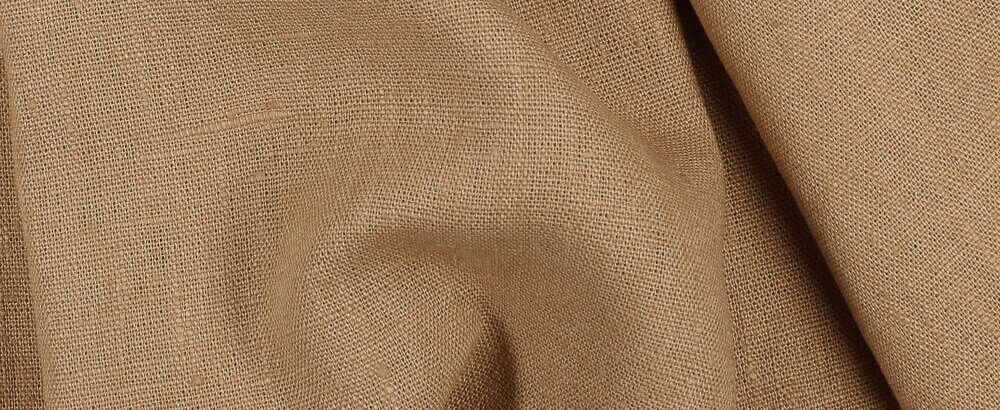
Now that you have narrowed down your costume to a period and culture, it’s time to start putting it together. If you have the skills or desire to make your own costume, the possibilities are endless. The Reconstructing History patterns we have available are a great place to start. Linen, being easy to work with, is a natural choice. For shirts and chemises I recommend earth tones such as our IL019 linen in wheat or pebble. Heavier weight linen works well for over skirts and bodices.

Another option is a costume shop. These are a good place to visit in person or online to get a feel for what you want. Many have high quality, nearly authentic options. Some of these can be expensive, so be prepared. The costumes that pop up around Halloween usually don’t work well. The material is often thin and contains a bit too much spandex. When looking for a ready made costume, fabric texture can make or break a look. Fabrics such as linen and cotton have a nice feel to them and lend a touch of authenticity to your garb. Look closely at the trim on the costumes. Often, the perfect costume is hiding underneath a particularly ugly piece of trim or obvious plastic rhinestone. If you can remove these easily, all the better. Also, a rather plain costume can be dressed up with a bit of ribbon or other addition. By blending ready made components such as a bodice with a handcrafted linen shirt you open up many possibilities.

Thrift stores are a veritable treasure trove for renaissance garb. When in doubt on what to wear, a peasant girl is a fine and noble choice. All you need is a long earth tone skirt, a shirt with flowing or balloon sleeves, and a vest. You can layer several skirts to add fullness. The vest can be altered to resemble a bodice with a pretty ribbon to lace it up instead of buttons. Linen skirts and vests are easy projects to make yourself as well, so focus on finding the items you can not or do not wish to fashion yourself. If you dig a little deeper you may find kimono style bath robes, Scottish tartans, or period costumes in need of a new home.

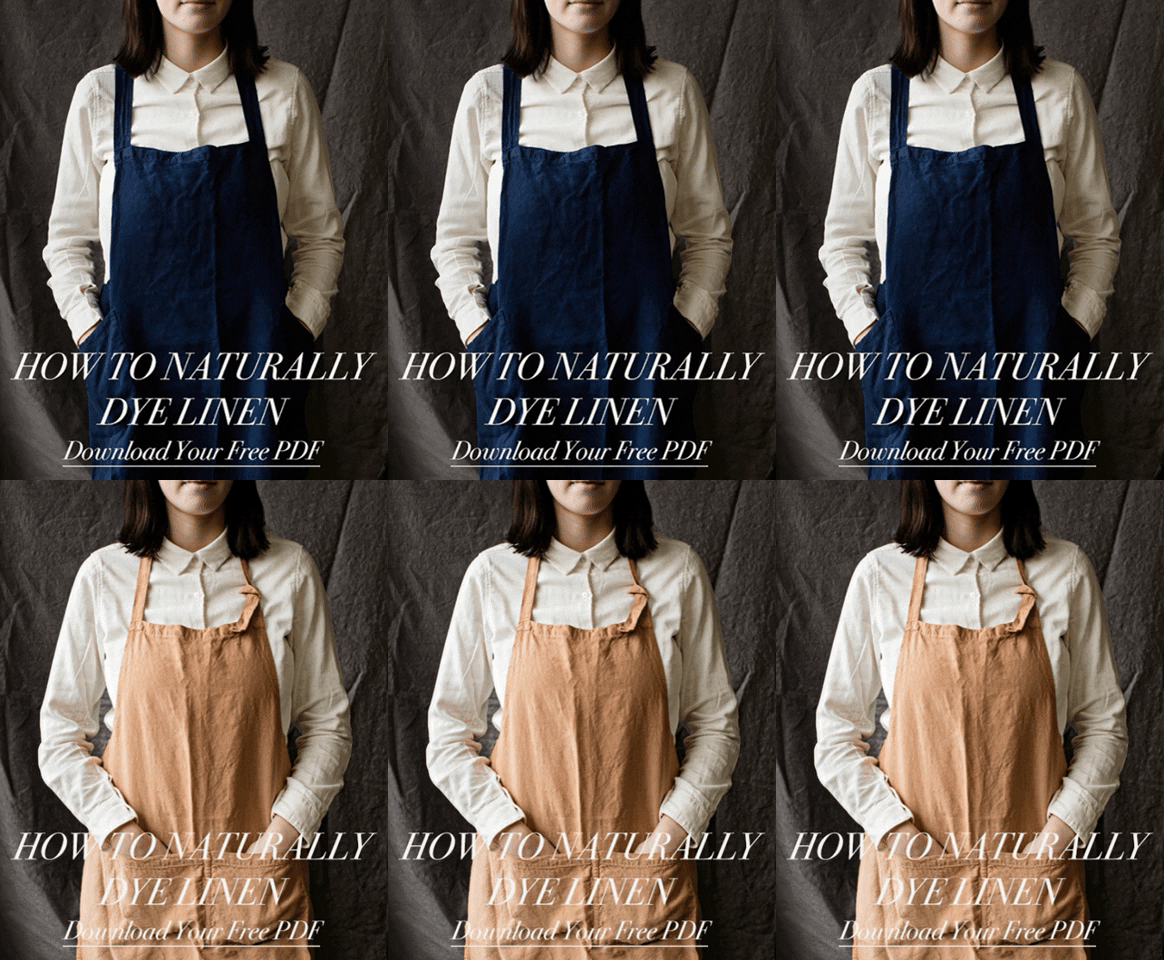
If white fabric seems too bright, tea staining can darken them up. Steep four or more tea bags, depending on how dark you want the item to be, in boiling water. Add a pinch of salt to set the dye, and then boil the item to be darkened for 10-15 minutes. Keep in mind the tannin in tea will soften stiff fabrics. Linen is especially receptive to tea dying and takes on a nice antiqued color. Save bright colors for the bodice or trim on your costume and stick to muted natural colors for the shirt and skirt to add authenticity.

As you can see, it is just the resemblance to accuracy that is important. It’s the details that can make everyday clothes look like period garb. Make sure there are no visible zippers on your costume. Grommets and cord or ribbon are preferable over buttons for closures. Buttons can be removed and replaced with grommets. Don’t wear tennis shoes or spike heels. Ankle boots or leather sandals are the best option, depending on what period and culture you are going for. Find a comfortable pair of shoes since you’ll be on your feet for most of the day. Simple hair styles, such as braids or buns, often look best. Make sure your jewelry and accessories fit the costume. A peasant girl did not wear diamond earrings or carry a designer handbag.

Most important, remember that putting together your fair garb should be fun. With a little creativity and a bit of skill you may find the perfect costume is already in your closet.

Permalink • Print • 1 Comment